You’ve probably heard that solar batteries are a game changer. But how do they actually work? And more importantly, are they worth it for your Melbourne home?
Let’s strip away the technical jargon and break down exactly what happens when you add battery storage to your solar system.
The Basic Cycle: Charge, Store, Use
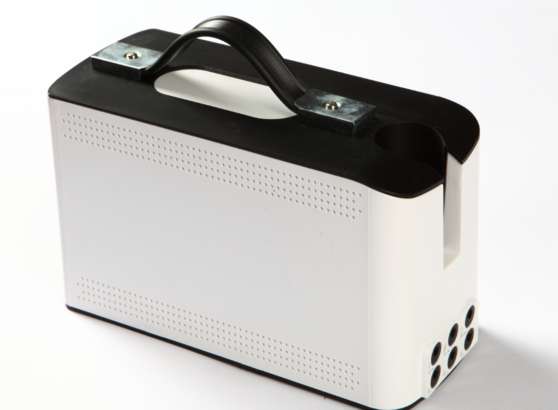
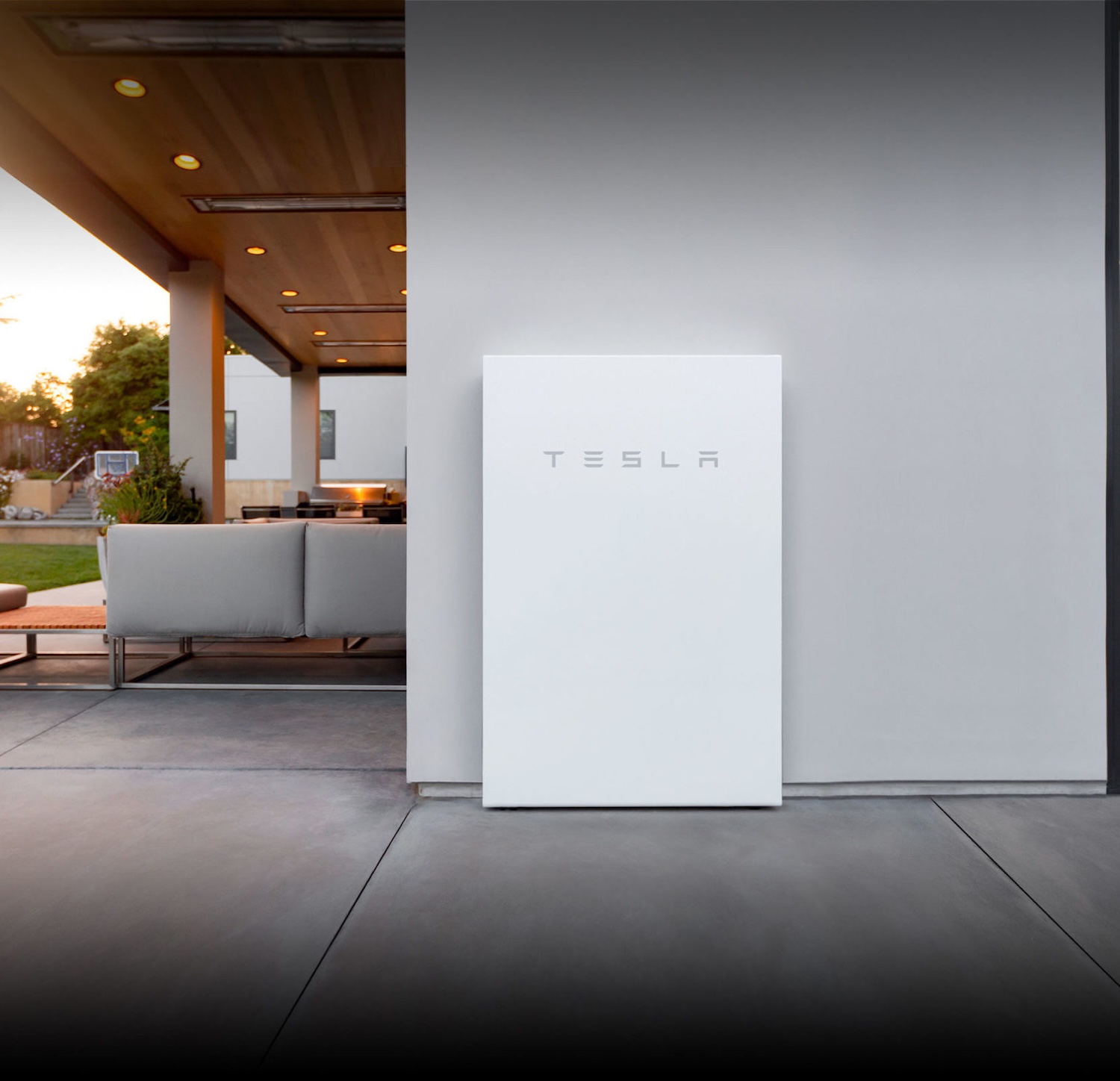
Think of a solar battery as a giant rechargeable power bank for your house. During the day, your solar panels generate electricity. Any power you don’t use immediately gets stored in the battery instead of being sent back to the grid.
When the sun goes down and your panels stop producing, the battery kicks in. It releases that stored energy to power your home through the evening and night. No need to pull expensive electricity from the grid during peak rate times.
That’s the simple version. Now let’s get into the details that actually matter.
What Happens Hour by Hour
Morning hits and your panels start generating power. Your household is using some of that energy for breakfast, showers, and getting ready for the day. Any excess goes straight into charging your battery.
By midday, your panels are producing maximum output. If your battery fills up completely, the surplus gets exported to the grid and you earn feed in credits. But here’s the thing: those credits pay you far less than what you’d pay to buy that same power back at night.
Evening arrives and this is where the magic happens. Your panels have stopped producing but your household demand is peaking. Dinner, TV, heating, everything’s running. Instead of buying power at premium rates, your battery supplies what you stored earlier for free.
This cycle repeats daily, and over time, those savings add up fast.
Blackout Protection: The Backup Advantage
Here’s something most people don’t realize about standard solar systems. When the grid goes down, your panels shut off too. It’s a safety feature to protect electrical workers.
But with a battery system that includes backup capability, you’re covered. The battery automatically disconnects from the grid and keeps powering your essential circuits. Fridge stays cold, lights stay on, WiFi keeps running.
For Melbourne homes that have experienced those summer blackouts, this peace of mind alone can justify the investment.
Size Matters: Choosing the Right Capacity
Battery capacity is measured in kilowatt hours or kWh. A typical Melbourne household uses about 15 to 20 kWh per day.
Most residential batteries range from 10kWh to 15kWh. That’s usually enough to cover your evening and overnight usage. You’re not trying to store every single watt your panels produce. You’re storing enough to avoid peak rate charges and have backup power when needed.
Bigger isn’t always better either. Oversizing your battery means higher upfront costs without proportional returns. The sweet spot depends on your household’s actual consumption patterns.
The Victorian Advantage: Rebates Change Everything
This is where things get interesting for Melbourne homeowners. The solar battery rebate in Victoria covers 30% of your system cost.
That subsidy has slashed payback periods from 8 to 10 years down to just 4 to 6 years. After that, you’re looking at 15 plus years of pure savings since quality batteries last 10 to 15 years minimum.
Combined with the upfront solar panel rebate through the Victorian Solar Homes Program, you’re getting serious government support to make the switch to clean energy.
Is It Worth It for Your Home?
Battery storage makes the most sense if you use significant power during evening peak times, experience regular blackouts in your area, have high electricity rates on your current plan, or want energy independence beyond just solar panels.
It’s less urgent if you’re home during the day using solar power directly, have minimal evening electricity usage, or are working with a tight upfront budget.
The good news? With current rebates making affordable solar solutions more accessible across Melbourne, more households qualify than ever before.
The Bottom Line
Solar batteries aren’t complicated. They charge during the day, power your home at night, protect you during blackouts, and pay for themselves faster with Victorian rebates.
If you’re already considering solar or have panels installed, adding battery storage is the natural next step toward true energy independence. The technology works, the economics make sense, and the timing with current government incentives couldn’t be better.